
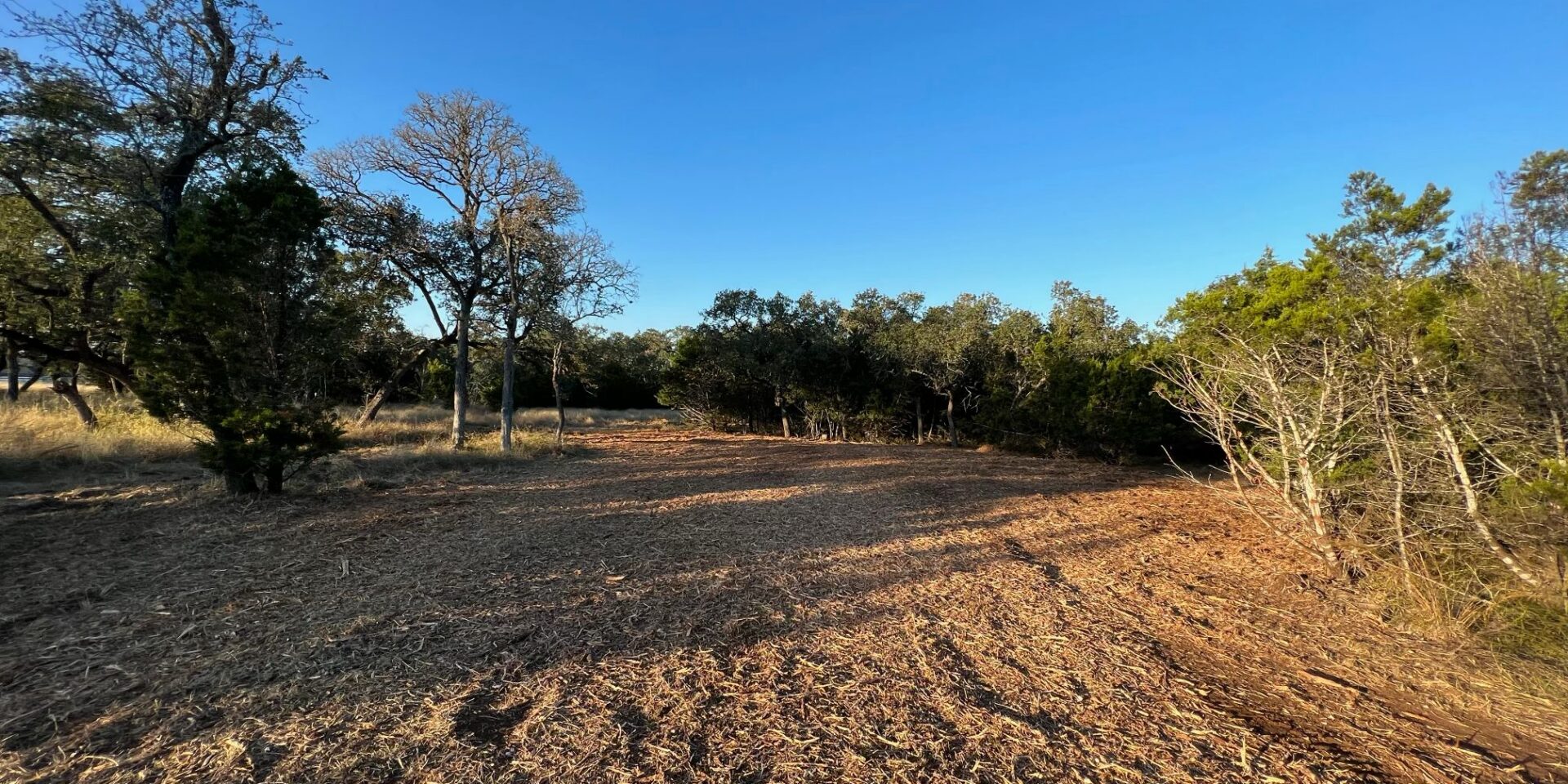
How to Choose a Lot for a Custom Home in San Antonio
A custom home begins long before the first set of plans. It begins with the land, and the possibilities it offers. If you’re wondering how to choose a lot for a custom home in San Antonio, start by understanding how the property can support your plans, lifestyle, and building requirements.
A sweeping Hill Country view or a shaded San Antonio lot may catch your eye. Yet the details you cannot see in a listing, buildable area, terrain, access, utilities, drainage and deed restrictions, often shape what can be designed and built.
Whether you are comparing neighborhood lots or larger Hill Country properties, this guide will help you ask better questions before you commit to a home site.
In This Guide
- Start With the Home You Want to Build
- Look at the Usable Area, Not Just the Lot Size
- Consider the Slope and Natural Shape of the Land
- Check Access to the Property
- Understand Utilities and Site Services
- Pay Attention to Drainage and Water Flow
- Review Surveys, Easements, and Building Restrictions
- Ask About Soil and Site Conditions
- Think About Sunlight, Views, and Outdoor Living
- Consider the Surrounding Community
- Questions to Discuss With Your Builder Before Buying a Lot
- Do Not Look for a “Perfect” Lot
- Frequently Asked Questions
- Helpful Resources
Start With the Home You Want to Build
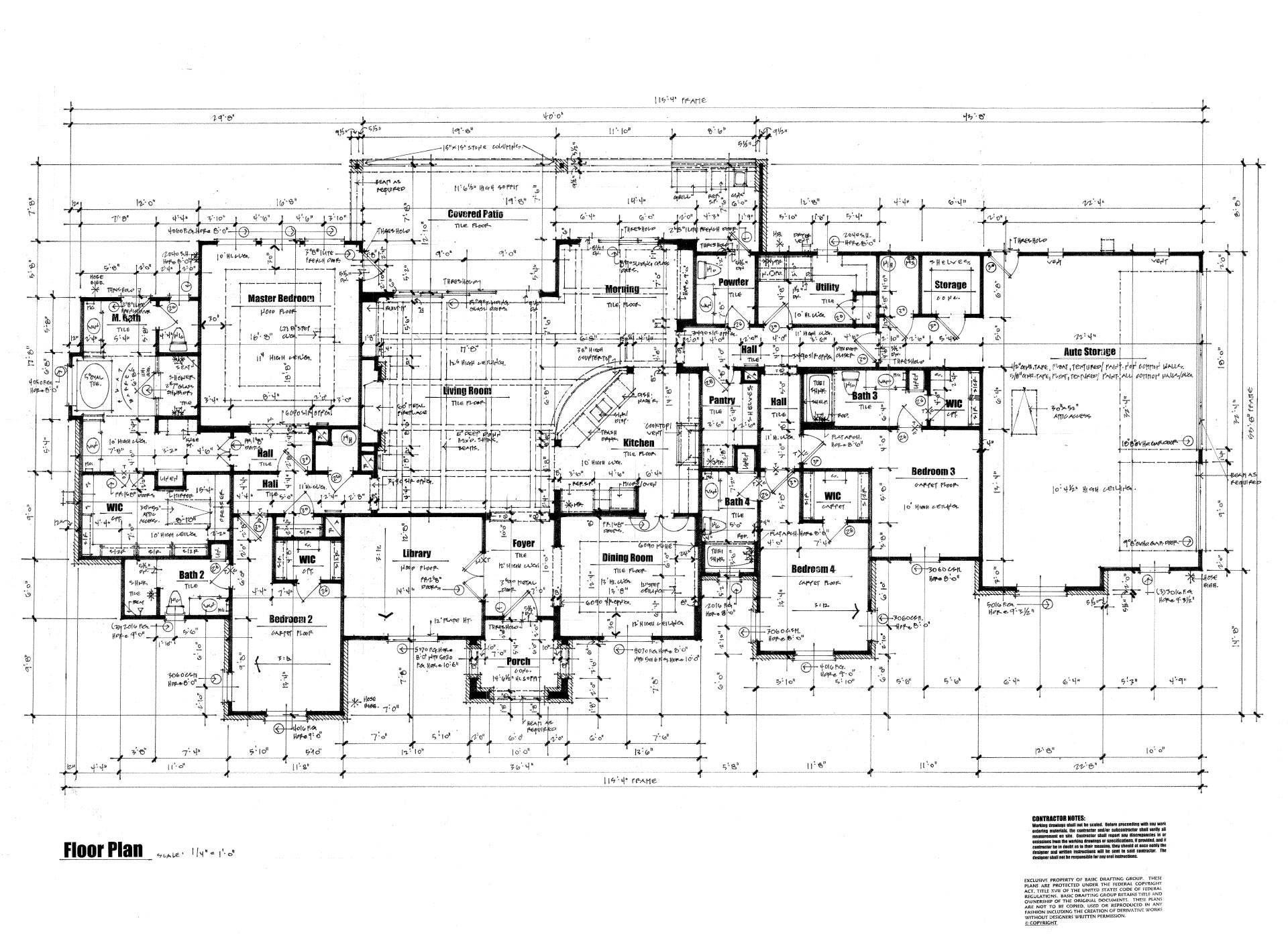
Before comparing properties, develop a general idea of what you want from your future home.
You do not need finalized architectural plans, but it helps to think about:
- approximate home size
- number of stories
- bedrooms and bathrooms
- garage requirements
- indoor and outdoor living areas
- a pool or other outdoor features
- guest space or a separate casita
- views or natural features you want to preserve
These priorities can help you evaluate whether a property gives you enough usable space for the home and lifestyle you have in mind.
A thoughtful custom home starts with land that supports your plans, not just an appealing acreage figure.
Look at the Usable Area, Not Just the Lot Size
Two properties with similar acreage can offer very different building possibilities.
The usable area may be affected by factors such as:
- property shape
- setbacks
- easements
- slope
- drainage areas
- existing trees or natural features
- access points
- community restrictions
A generous lot size does not necessarily mean a generous building envelope. Setbacks, easements and drainage conditions can narrow placement options.
Before committing to a lot, it is helpful to understand where the home, driveway, outdoor spaces, and other planned features could potentially fit.
Consider the Slope and Natural Shape of the Land
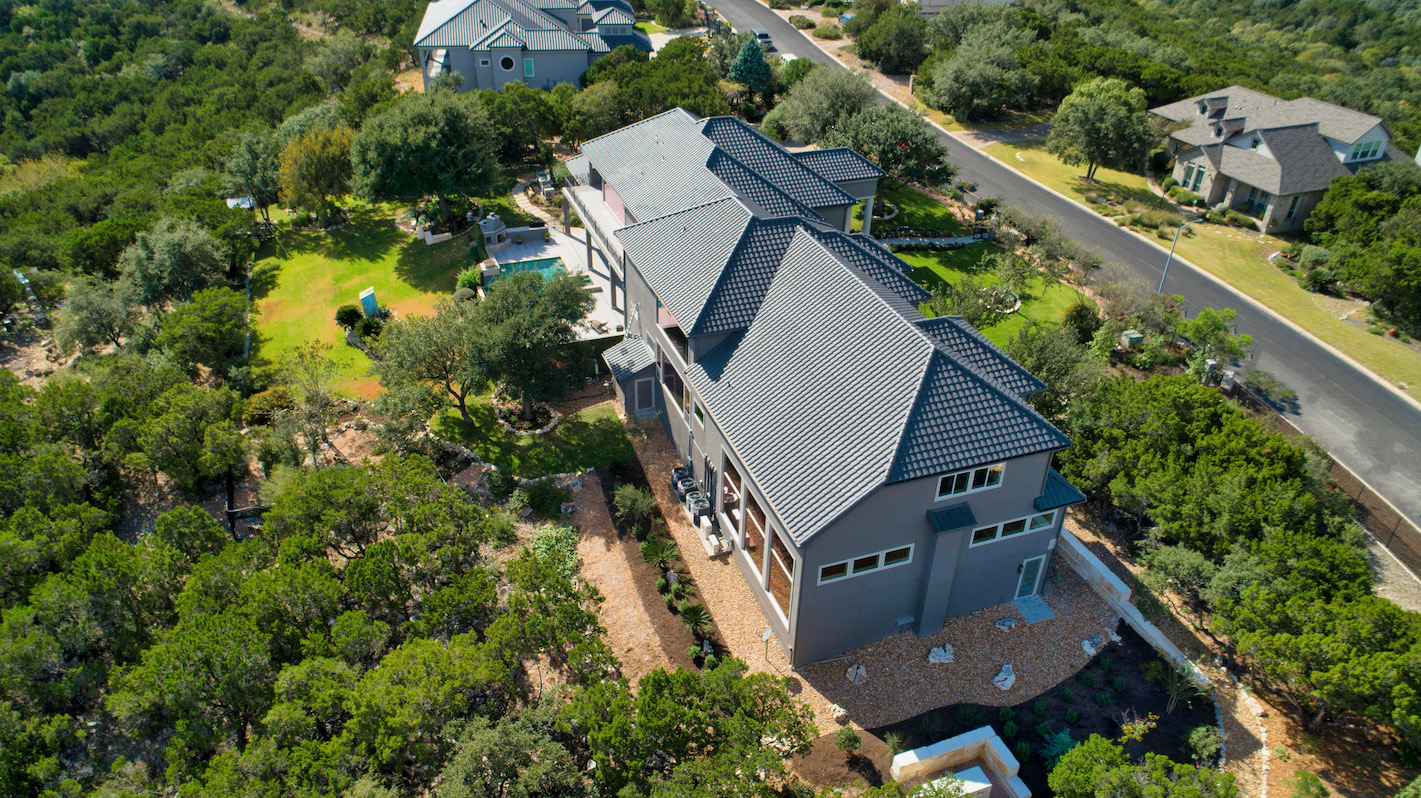
The terrain can have a major influence on the way a custom home is planned.
A relatively level lot can offer different design options from one with steep grades or rocky terrain. Across San Antonio and the Texas Hill Country, elevation changes may frame beautiful views while influencing grading, foundation planning, driveway access and the home’s orientation.
Instead of thinking about the home and property separately, consider how they can work together.
For example, the natural shape of the land may influence:
- where the home sits
- driveway placement
- outdoor living areas
- views
- drainage planning
- the relationship between different levels of the home
The goal is to understand the property early enough that the design can respond to the site rather than forcing a standard plan onto it.
Check Access to the Property
Access matters both during construction and after the home is complete.
Consider questions such as:
- Where can the driveway enter the property?
- Is there enough room for comfortable vehicle access?
- Can construction vehicles reach the proposed building area?
- Is the property on a private or gated road?
- Are there easements or access restrictions?
- Will the driveway need to respond to a steep grade or unusual lot shape?
These details may seem secondary when you first see a property, but they can affect how the site functions every day.
Understand Utilities and Site Services
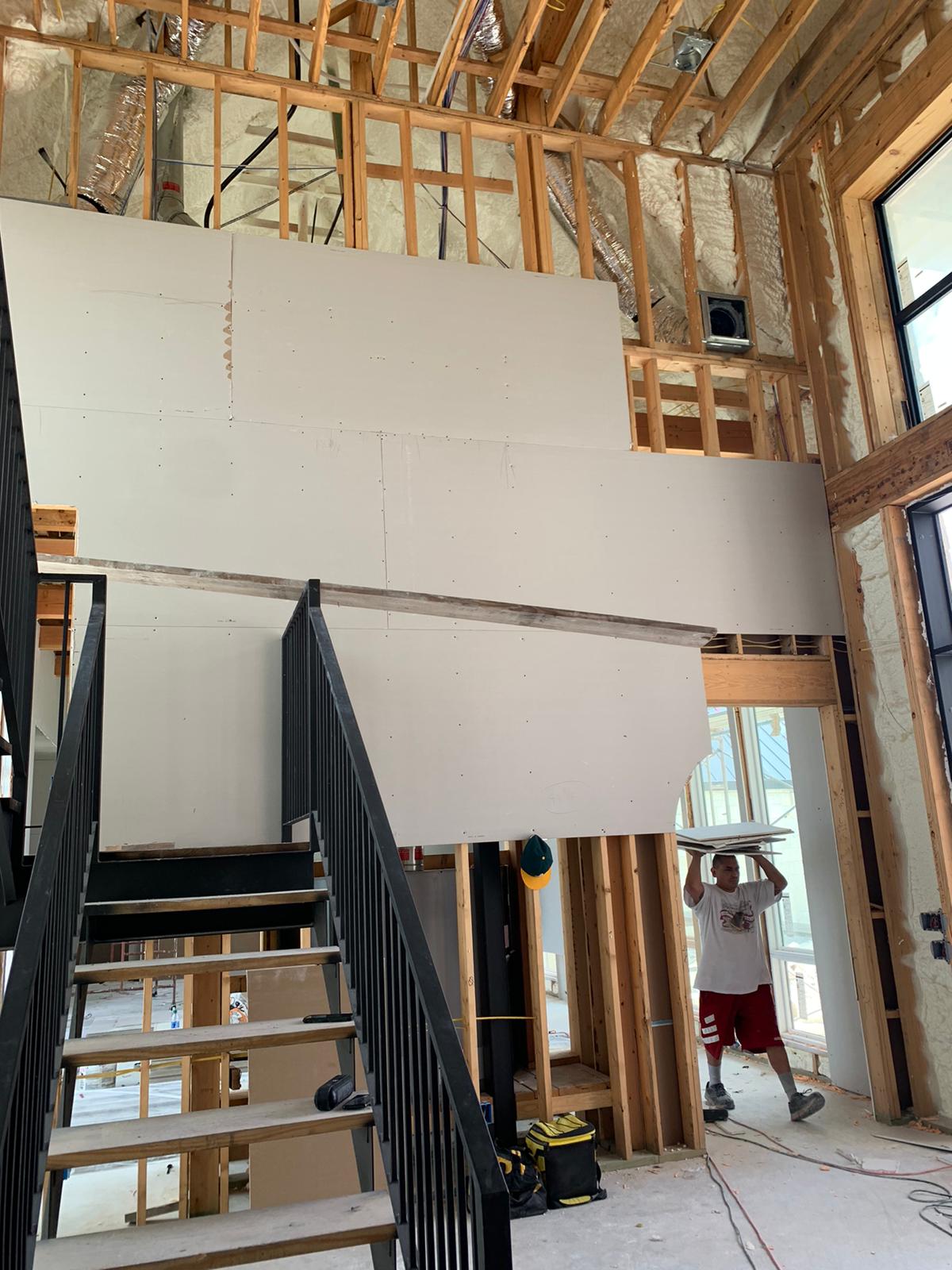
Before purchasing land, find out what services are available to the property.
Depending on the location, this may include:
- electricity
- water
- wastewater or septic considerations
- natural gas or propane
- internet and communications
- other utility connections
A lot within an established community may have different requirements from a more rural or acreage property.
Do not assume that a nearby utility line means the lot is ready for connection. Ask providers about service availability, connection locations, possible extension work and applicable requirements. On properties without municipal wastewater service, confirm whether a suitable on-site system is feasible with the appropriate professionals.
Pay Attention to Drainage and Water Flow
Drainage is another important part of evaluating a site.
Look at the natural slope of the land and consider where water appears likely to travel or collect during heavy rainfall.
The home’s location, driveway, landscaping, patios, and other improvements should eventually work with the property’s drainage conditions.
For properties within San Antonio, the City’s Development Services maps can help you begin checking zoning and hydrologic features. Location-specific floodplain and drainage questions should still be verified with the relevant authorities and qualified professionals before you make a purchase decision.
Review Surveys, Easements, and Building Restrictions
Before planning around a property, understand what documents and restrictions may affect how it can be used.
Depending on the lot, this may include:
- property surveys
- easements
- building setbacks
- deed restrictions
- HOA or architectural requirements
- local development requirements
If the property is located within a gated or planned community, there may also be guidelines addressing home size, exterior design, fencing, roofing, landscaping, or accessory structures.
These requirements can influence the type of home that can be built and where it can sit on the property.
Always verify the requirements that apply to the specific lot rather than assuming they will be the same as a nearby property.
Ask About Soil and Site Conditions
The ground beneath the future home matters too.
Different properties can have different soil, rock, grading, and site-preparation conditions.
A visual walk of the lot cannot tell you everything about what is below the surface. If site or soil conditions may affect the project, the appropriate engineering, geotechnical, or other professional review should be completed before relying on the property for a particular design.
The purpose at this early stage is not to solve every technical issue yourself. It is to know which questions need to be answered.
Think About Sunlight, Views, and Outdoor Living
A custom home gives you the opportunity to think about how the house relates to its surroundings.
When walking a property, consider:
- where the best views are
- where you want more privacy
- how the home may receive natural light
- where outdoor living spaces could go
- where a pool might fit
- how indoor and outdoor spaces could connect
If a covered patio, outdoor kitchen, pool, or large backyard is important to you, those priorities should be considered while evaluating the property, not after the home layout is already established.
Consider the Surrounding Community
The lot itself is only one part of the decision.
Think about whether the surrounding area fits how you want to live long term.
Consider:
- the character of the neighborhood or community
- surrounding properties
- road access
- nearby development
- privacy
- proximity to the places important to your household
A property may work technically but still not be the right location for your priorities.
Questions to Discuss With Your Builder Before Buying a Lot
If you are seriously considering a property, involving your builder early can give you another perspective before you make a final commitment.
Useful questions may include:
- Does the home size I am considering appear reasonable for this property?
- What site conditions should I investigate further?
- Are there obvious access or layout considerations?
- Could the lot shape or slope affect the way the home is planned?
- What information should I gather before beginning design?
- Are there surveys, restrictions, utility details, or other documents I should have available?
A builder is not a replacement for a surveyor, engineer, utility provider, HOA, or local authority, but involving the building team early can help you identify questions that may deserve more investigation.
Do Not Look for a “Perfect” Lot
Few properties are completely free of considerations.
A sloped lot may offer interesting views. An acreage property may provide privacy but require more planning for access or utilities. A lot within an established community may offer infrastructure but come with additional design guidelines.
The better question is not:
“Is this property perfect?”
It is: “Does this property make sense for the home, lifestyle, priorities, and project I am planning?”
Understanding those trade-offs early can help you choose with more confidence.
Frequently Asked Questions
What should I check before buying land for a custom home?
Look beyond the property’s size. Consider its usable building area, slope, access, utilities, drainage, surveys, easements, restrictions, and how well the site fits the type of home you want to build. Technical or legal conditions should be verified with the appropriate professionals.
Should I talk to a custom home builder before buying a lot?
It can be helpful. A builder may be able to identify planning or construction questions worth investigating before you commit to the property. This does not replace surveys, engineering, inspections, utility verification, or professional advice.
Can the slope of a lot affect my custom home plans?
Yes. The slope and natural terrain can influence the home’s position, driveway, outdoor living areas, drainage planning, views, and other design decisions.
Can HOA or community rules affect what I build?
Yes. Some communities have requirements covering items such as home size, architectural design, setbacks, roofing, fencing, landscaping, or accessory structures. Review the rules that apply to the specific property before finalizing plans.
Do I need finished house plans before contacting A. Box Builders?
No. You can begin organizing the project before the plans are complete. The A. Box Builders Design Survey gathers information about the property, approximate budget, desired home size, rooms, style, plans, and project timing to help frame the initial conversation.
Start Planning Your San Antonio Custom Home
The right property does more than hold a house. It provides the setting for the home you have imagined.
If you are weighing land options in San Antonio or the Texas Hill Country, A. Box Builders can help you start a more informed conversation about the home, site and priorities that matter to you.
Explore San Antonio Custom Homes to learn more about the company’s approach to building one-of-a-kind homes in the area.
You can also browse the Custom Homes portfolio or view Current Projects to see examples of the company’s work.
Ready to begin? Complete the A. Box Builders Design Survey to share the property you are considering, approximate budget, desired home size, architectural preferences, must-have spaces and timing. It is a practical first step toward discussing your custom home.
Helpful Resources
- A. Box Builders — San Antonio Custom Homes — Learn more about A. Box Builders’ San Antonio custom-home approach and service area.
- A. Box Builders — Custom Homes Portfolio — Browse completed custom homes across Greater San Antonio and the Texas Hill Country.
- A. Box Builders — Current Projects — See homes and projects currently underway.
- A. Box Builders — Design Survey — Share your property, budget range, desired home size, plans, spaces, style, and timing before the first project conversation.
- City of San Antonio — Development Services Maps — Use official city maps to review zoning and other property-related map resources, including hydrologic features and floodplain information where applicable.
- San Antonio Water System — Developer Resources — Review SAWS information for new development, water and wastewater infrastructure, service requirements, and related developer resources.